
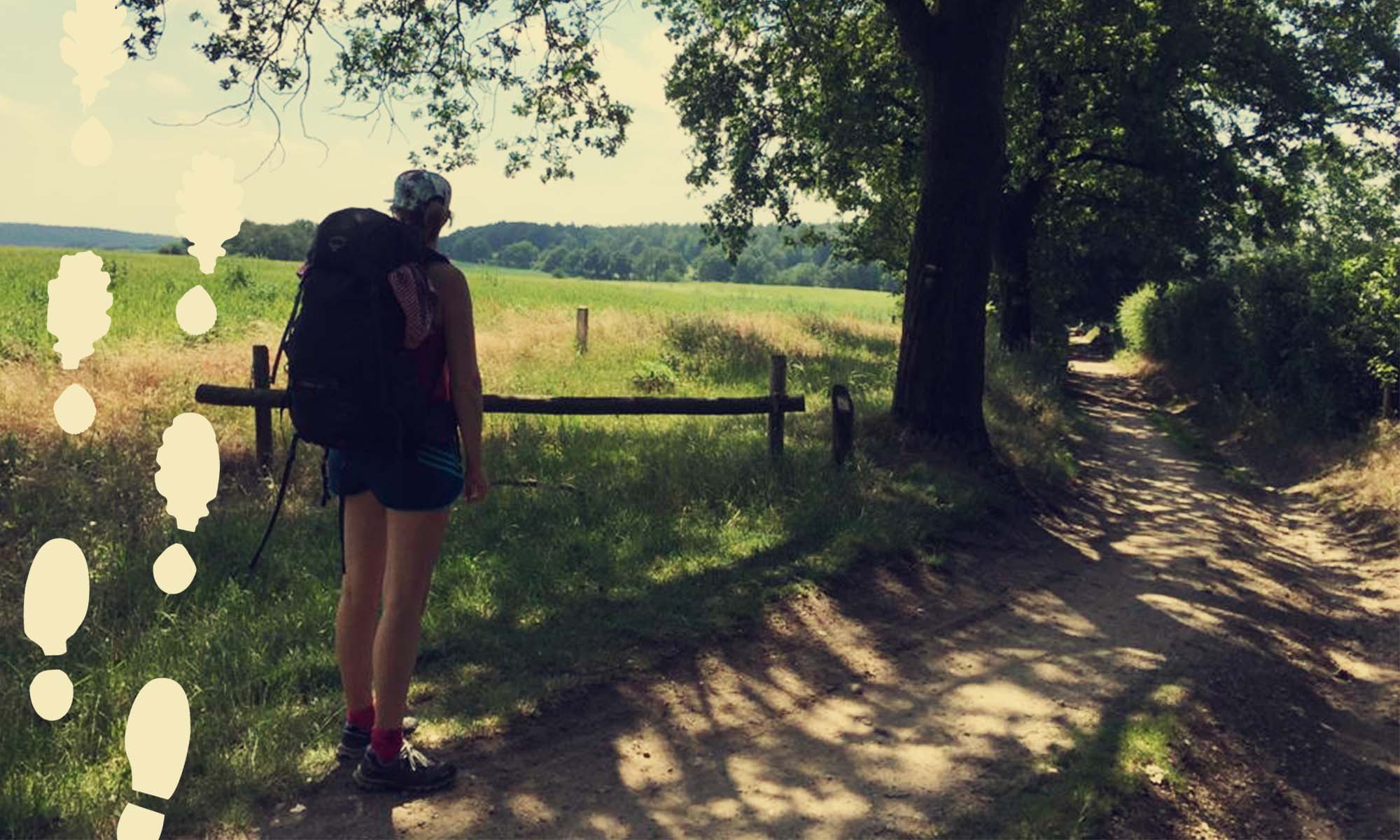
Hiking has always been one of my favorite things to do, it relaxes and rejuvenates me. My number one place to do this used to be the Alps. One little problem, the Alps are at least a ten hour drive from the Netherlands. I often wished I was born elsewhere. In the winter of ‘15 – ‘16 I had so many crazy things happening to me, I needed an alone getaway. Where to go? Hiking in winter in the Alps? Alone? Maybe not a great plan.

I realized that the Netherlands is full with long distance hiking paths, the most famous is most likely the “Pieterpad”. It runs from the town Pieterburen, one of the most northern places in the Netherlands (islands excluded), to St. Pietersberg, the most south you can go in the Netherlands.
So I quickly gathered all the stuff I needed and just started to walk. That winter I finished a total of 6 stages, at that time I felt I was done and feeling a lot better. It took me till the spring of 2023 to finish all 26 stages of this 500 km trail. I usually would hike 4 consecutive stages during a long weekend, but have done various formats to make it till the end for which I needed a total of 8 separate occasions. Sometimes alone, sometimes with friends or family. So even though this is the most popular thru-hike of the Netherlands, I didn’t hike (and most don’t) the trail in this “official” fashion.
Weather
The toughest during all my time on the trail was the moments with strong winds, which was mostly annoying when hiking through the open fields and wind blowing from the side. Other than that I can’t think of anything being an issue. Yes, some portions can be wet after some rain, or slippery with ice and snow. But nothing any hiker can’t overcome. I think I’ve hiked portions in every month of the year and each has their advantages and disadvantages. In summer it can be hot and very busy, in winter cold and windy. Nature will look different in any of these varying moments, but there’s always something to see.
Marking of the route

The volunteers of the Pieterpad trail do an excellent job at marking the trail with its iconic red-white marks in most of the stages. Some stages might have some confusing marking here and there, often due to the fact that the trail had to be rerouted. I really enjoyed using the two guide books that can be bought. I enjoy navigating using maps. The maps in the guides are excellent and if you’re a person who navigates best using description, that is also available in the guide. Also the guide offers some extra information about history, landscape and monuments. Unfortunately this is, till this day, only available in Dutch. Lastly, the maps for all the stages can also be viewed on the official Pieterpad website (see link below).
Food
The trail stages usually start and finish in a town with sufficient amenities. And if that’s not the case you’ll usually pass through a town with sufficient amenities. However be aware of opening hours and days, small town shops in the Netherlands still often are closed on Sunday. When you’re hiking off season you might find that restaurants will be closed for winter. Also many restaurants are closed on Mondays. I usually would check beforehand on google maps what would be open the day I’d be in town.
What I loved about hiking this trail was the people living on the trail. There are quite a few people who offer food or drinks along the trail. Sometimes it’s self serve, other times they’ll come out and serve you and have a little chat. I think stopping in these places resulted in some of my best memories of the trail.
Overnight stay
If you want to hike multiple stages in a row, you’ll need to find places to sleep. The first choice is between camping and an indoor bed. In the Netherlands it isn’t allowed to do wild (dispersed) camping anywhere. However, there are a lot of campgrounds around the country. Besides the regular campgrounds other options have become available, like garden camping (linked below). Keep in mind that you have to leave the trail more, distance wise, for camping options and you’ll have less options on splitting up your stages.
If you choose to sleep indoors, you’ll find so many options available to you. As I said before, there are so many people living on the trail who offer all sorts of stuff to the hikers on the trail. Many different types of overnight places can be found on the official Pieterpad website. On top I’ve also used booking and airbnb. When hiking in the summer months or during school holidays it’s advisable to make reservations well in advance. I hiked quite a few stages in winter time, and I sometimes would run into the issue that people are not expecting hikers so they’re closed.
Flora and Fauna
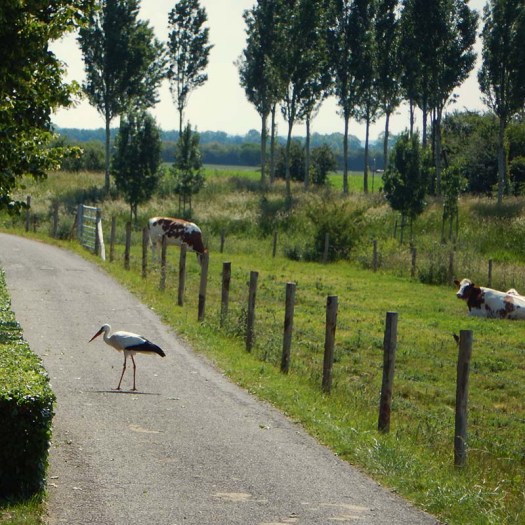
One of my favourite things about hiking this trail, is that it passes through so many different types of Dutch cultural landscapes. The various types are represented in the guide with different colors. Since this is my area of expertise I was very happy with all the different views I saw. However, if you’re a person who’s more into wildlife, chances are that you might be a bit disappointed. The main type of animal you’ll see and hear along the trail will be birds and livestock. Large wildlife is rare to be spotted, especially because the trail is often quite busy.
Stages
The predetermined stages of the guide are usually 15 till 20 km long and always start and finish in a town. Most of those towns can be reached by public transport, some a bit easier than others. Most stages pass through multiple towns, so it’s possible to lengthen or shorten your stages to something that suits you best. If you’re planning to hike the total of the trail on multiple occasions and not in the true thru-hike fashion (no shame in that), these are some different ways of doing it. Keep in mind, this is not a complete list, just some ideas to get you going.
Option 1: Park the car at either the beginning or end of your multiple stage hike. Use public transport to get you to the start or back to the car at the end. Stay overnight on the trail on hiking days.
Option 2: Find a place to sleep for multiple nights and use car and/or public transport to get you to and from each stage. There are quite a few bed and breakfasts in the area of the trail who offer drop off and pick up to multiple stages.
If you start in the North and hike South and you feel like you’re not done yet, it’s possible to connect to the GR5. On that trail you leave the Netherlands, pass through Belgium, Luxumburg and end up at the Mediterranean sea in the South of France.
Items to bring
On the Pieterpad trail I’d say that mud and water is your biggest enemy. The trail is partially on paved roads, but most is sand and dirt. I often hiked in running shoes or light hiking shoes. I used to hike, like many Dutch hikers, in (heavy) hiking boots. That did me more harm than good because the weight of the boots gave me a lot of extra strain on my body. Light shoes are enough for this terrain.

Other than shoes I don’t have any specific advice on gear, just be prepared for all sorts of weather since you are in the Netherlands. Online you’ll find many lists on what gear you need to bring on a hike. This trail is a perfect trail to practice and figure out what gear suits you.
Websites
- Official Pieterpad website – https://pieterpad.nl/
- Garden camping – https://welcometomygarden.org/
- Garden camping – https://campspace.com/en
- GR 5 – https://en.wikipedia.org/wiki/GR_5
 Moves by Nature